


With the project “Enhancing biohydrogen production from winery wastewater through dark fermentation using iron-based residues,” Dr. Yeney Lauzurique, from the USACH Department of Chemical Engineering and Bioprocesses, was awarded a prestigious Fondecyt Iniciación 2026 grant. This achievement reinforces the Faculty of Engineering’s leadership in sustainable research and innovative chemical engineering solutions.
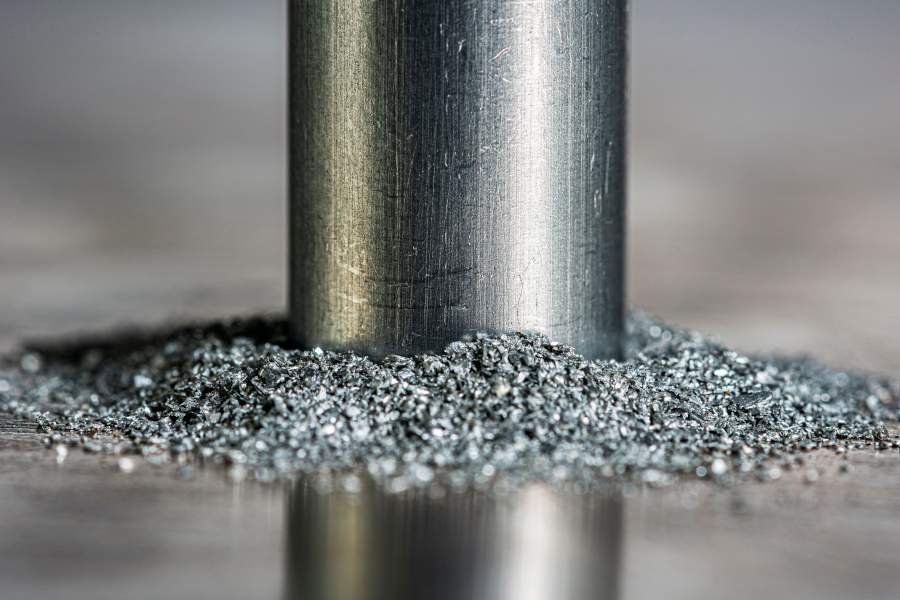
Dr. Lauzurique’s research addresses the urgent transition toward sustainable energy and water management systems, a priority driven by the global climate crisis and water scarcity in Chile. The project evaluates using iron-rich industrial waste—such as mining tailings and steel shavings—to optimize bio-hydrogen production via the dark fermentation of winery effluents. The study further integrates anaerobic digestion and solar photoelectro-Fenton processes to treat the resulting wastewater effectively.
“The project seeks to maximize renewable energy recovery through the sequential production of bio-H2 and bio-CH4 (biomethane),” the researcher noted. By improving the mineralization of organic matter, the team aims to produce high-quality reclaimed water suitable for reuse. This approach promotes the valorization of industrial waste and develops water treatment schemes strictly aligned with circular economy principles and environmental sustainability.
The project is expected to identify optimal concentrations and dosing strategies for mine tailings and steel shavings that significantly increase bio-H₂ production during the dark fermentation of winery wastewater. This research is closely associated with improving iron bioavailability and promoting favorable shifts in the microbial community for enhanced fermentation.
Creating Digital Knowledge
“This project strengthens R&D efforts within the USACH Department of Chemical and Bioprocess Engineering and the Faculty of Engineering by establishing an interdisciplinary research track in bioenergy, advanced wastewater treatment, and circular economy, integrating biological and electrochemical processes into innovative coupled industrial systems. The research generates original scientific knowledge on the use of iron-rich industrial waste in dark fermentation, anaerobic digestion, and solar photoelectro-Fenton processes, addressing critical scientific gaps in continuous operation, metal bioavailability, and microbial dynamics. Furthermore, it enhances the development of advanced experimental and analytical capabilities, fosters the training of human capital in research applied to national challenges such as water scarcity, waste management, and the energy transition, and reinforces the Faculty’s position as a national leader in sustainable technological solutions with high scientific impact and significant technology transfer potential,” added Dr. Lauzurique.
The project will generate comparative performance data on different treatment pathways for fermentative effluents, facilitating technological decision-making based on specific industrial goals such as renewable energy recovery or reclaimed water quality. This comprehensive, comparative research approach serves as a vital reference for sustainable industrial wastewater treatment policies and future industrial scaling-up studies, providing a little-explored perspective in the field of environmental engineering.
For the Faculty of Engineering (FING) Vice Dean of R&D and Graduate Studies, Dr. Andrea Mahn, this achievement not only consolidates FING’s leadership in research but also outperforms last year's results. She highlights that nearly 30% of FING’s awarded projects are led by women, a figure significantly higher than the current 13% representation in academic staff, demonstrating concrete progress in gender equity and academic excellence within the Chilean engineering ecosystem.